Borrowers weigh trade-offs and opportunities when considering student loan refinancing


Refinancing is a common strategy for managing student loan debt, but the decision to refinance isn’t always straightforward. SoFi surveyed 750 borrowers to learn more about their attitudes toward refinancing, student loan types, and monthly payments. The results reveal what proportion of borrowers consider refinancing, what’s holding them back, and how being overwhelmed about the refinancing process creates a roadblock for many.
Key Findings
- Many borrowers (40%) hold a mix of federal and private student loans and carry a wide range of balances.
- Nearly half of borrowers have considered refinancing their student loans but haven’t applied.
- Some obstacles to refinancing student loans include feeling uncertain about savings, lacking clarity around the process, and feeling generally overwhelmed.
- For most borrowers, lowering their student loan interest rates and speeding up repayment are top priorities.
- More than half of respondents say their student loans are a significant source of daily stress.
Methodology
SoFi commissioned Qualtrics to conduct an online survey of more than 750 U.S. consumers with outstanding student loan debt. Respondents were required to have either refinanced their student loans within the past five years, considered refinancing but chose not to, or be actively researching refinancing options. The survey included borrowers with bachelor’s degrees, in graduate programs, or with Parent PLUS loans, as well as federal-only, private-only, and mixed-loan holders.
Quotas were applied across age groups, census regions, household income levels, refinancing status, loan type, and borrower type to ensure broad representation of the target population.
Introduction to Student Loan Refinance Insights
According to the College Board, 47% of students graduate college with student loans, a burden that can have a long-term impact on their finances. Refinancing is one way to manage repayment and potentially save money on loans, though it’s not always a straightforward decision.
The survey of 750 borrowers about their student loan situation and stance toward refinancing asked questions like:
- What type of student loans do you currently have?
- What is your current total student loan balance and monthly payment?
- Have you considered refinancing your student loans?
- If so, what’s holding you back from refinancing?
Here’s a deep dive into the results of the survey, along with the reasons that many borrowers consider but don’t move forward with refinancing their student loans.
Many Borrowers Hold a Mix of Federal and Private Student Loans
One reason why managing your student loans may feel complicated is that you’re probably not dealing with a single lender or rule book. Many borrowers (40%, according to the survey) hold both federal and private student loans, which can have different structures and repayment options. An additional 1 in 10 borrowers say they aren’t sure what types of loans they have.
Here’s how the results broke down:
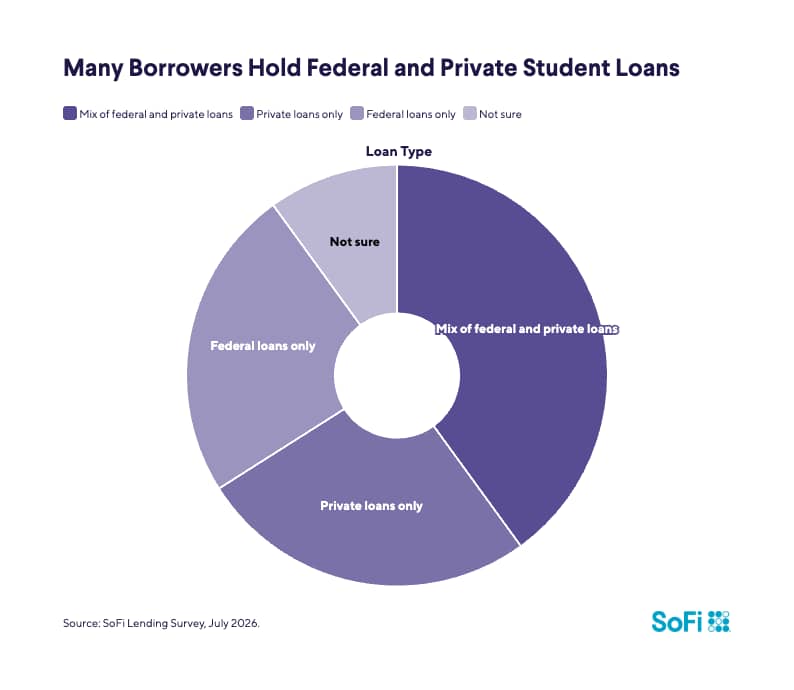
If you’re one of the borrowers managing both federal and private student loans, you’ll be dealing with two different sets of rules. Federal student loans have fixed interest rates and are eligible for various borrower protections, which may include income-driven repayment (IDR), deferment, and forgiveness programs.
Private student loans, on the other hand, may have fixed rates or variable rates that move up and down with the market. They don’t qualify for IDR or forgiveness, and hardship-based deferment and forbearance options aren’t always available.
Along with different rules, you’ll also have to deal with different payment deadlines, online accounts, and student loan servicers. Keeping track of your various accounts and payments can be a lot to juggle, especially on top of your other financial priorities.
Borrowers Carry a Wide Range of Total Student Loan Balances
The average student loan amount among undergraduate borrowers is $29,560 upon graduation, according to the College Board, but many borrowers take out different amounts. Some are chipping away at lower balances, while others have debt that goes into six-figure territory.
Here’s how the range of balances breaks down:
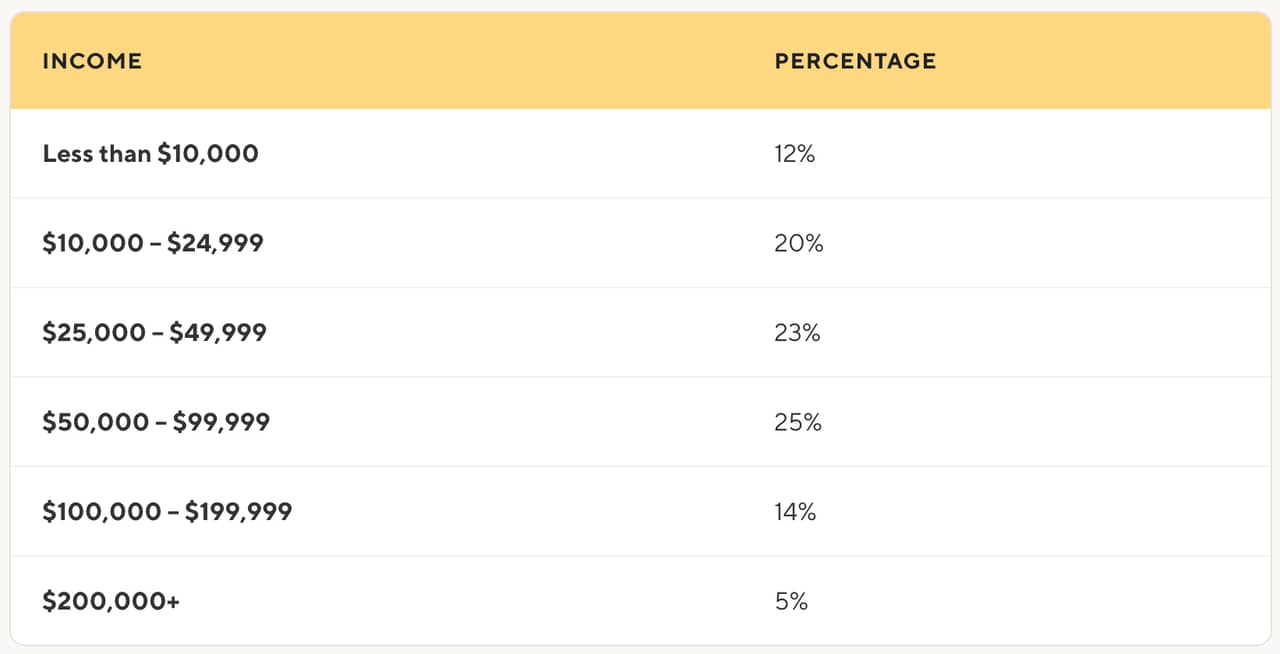
A combined 44% of borrowers owe $50,000 or more, while 19% carry $100,000 or more in student loans. Due to interest charges, borrowers can end up paying significantly more than they borrowed.
Monthly Payments Vary Significantly Across Borrowers
While your total student loan debt balance certainly can weigh you down, your monthly payments are what impact your day-to-day life the most. High monthly payments can limit your cash flow, making it harder to budget for other expenses, build an emergency fund, and save for the future.
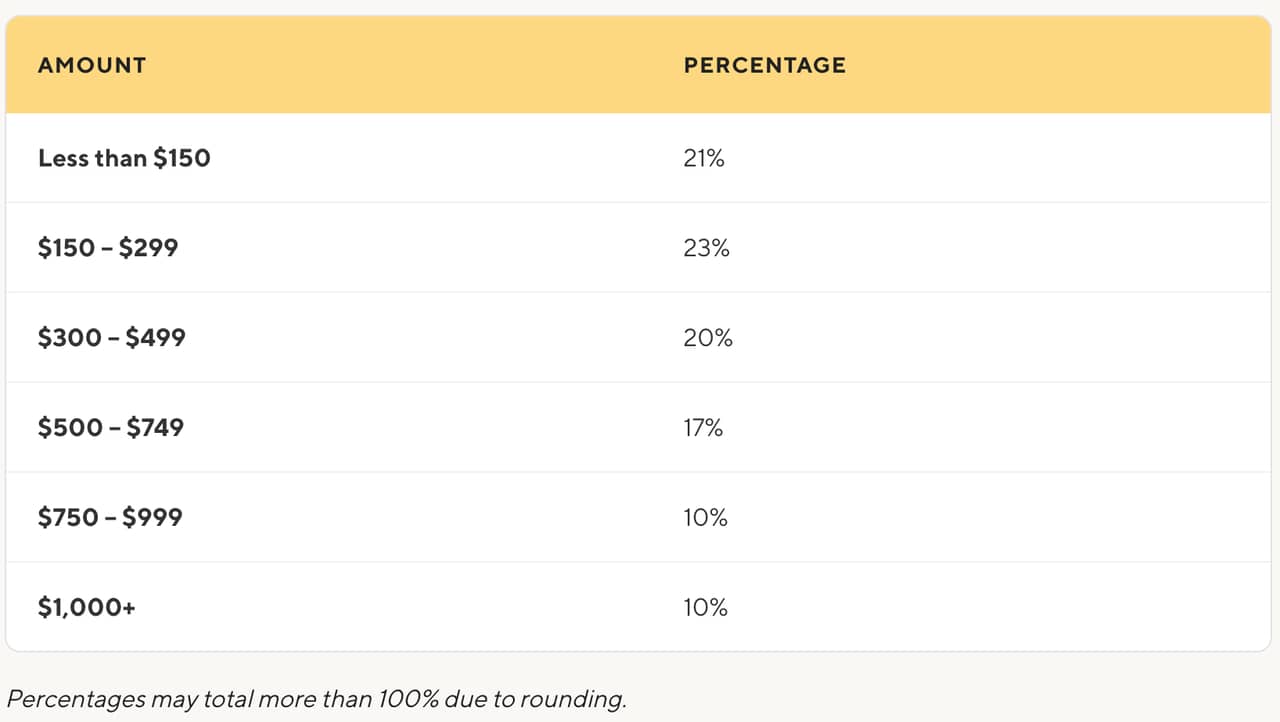
The student loan debt survey found that monthly payments range significantly among borrowers, with 21% paying less than $150 per month and another 20% paying $750 each month or more.
Many Borrowers Have Considered Refinancing but Have Not Taken Action
Student loan refinancing is a common strategy for adjusting the interest rate and monthly payments on student loans. If you have a higher credit score and income, you may get a better interest rate than you have now, which could reduce your monthly bills.
You also get the chance to choose new repayment terms that align with your budget and financial goals. There is a downside, though, which is that refinancing federal student loans means losing access to federal benefits, like income-driven repayment and forgiveness programs.
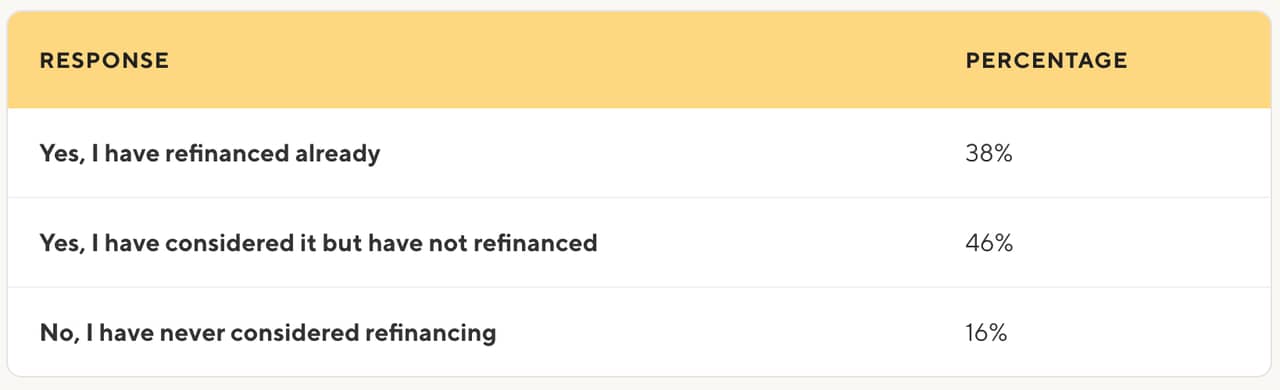
According to the student loan debt survey, many borrowers have considered refinancing student loans, but not everyone has made an effort to do so by applying for a refi. In fact, 46% said they have considered refinancing their student loans but haven’t done it. Recent changes in federal student loan repayment plans have likely only added to confusion.
Top Reasons Borrowers Have Not Refinanced
To get to the root of why many borrowers consider student loan refinancing but don’t move forward with it, the survey asked about their primary barrier. Here are the results:
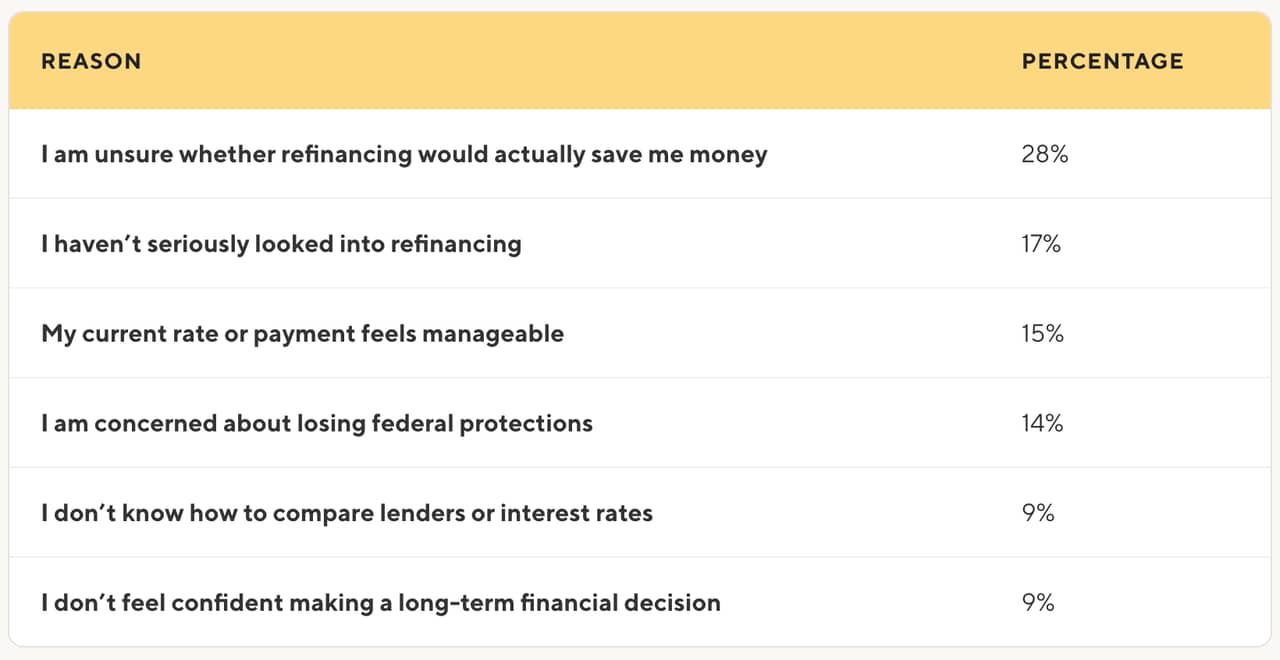
Other borrowers wrote in their own responses regarding student loan refinance, with some saying they were relying on income-driven repayment and others sharing their credit scores weren’t strong enough to get approved to refinance student loans.
Unlike student loan consolidation, which is a federal process, refinancing goes through private lenders and generally requires good credit to get approved.
Confidence in Understanding Refinancing Varies Widely
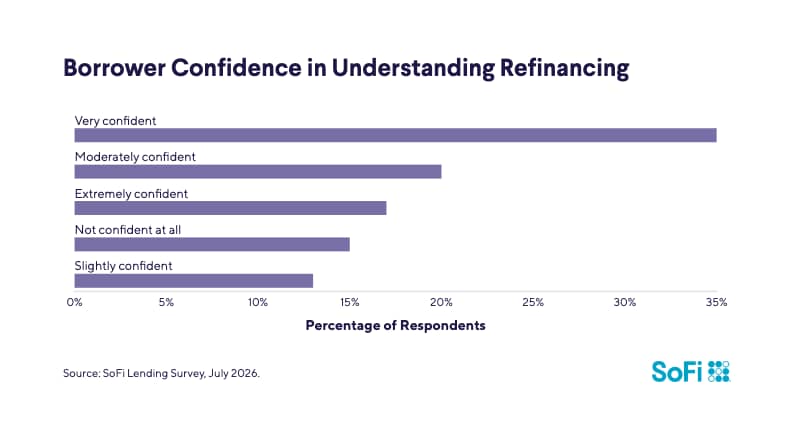
A lack of confidence in understanding refinancing is one obstacle for borrowers. When asked how secure they would feel explaining student loan refinancing to a friend, the results were mixed.
Over half of respondents felt very or extremely confident (52% combined), but another 48% ran from moderately confident down to not confident at all. This knowledge gap could be causing some borrowers to leave potential savings on the table.
Comparing Rates and Understanding Savings Are the Most Overwhelming Challenges
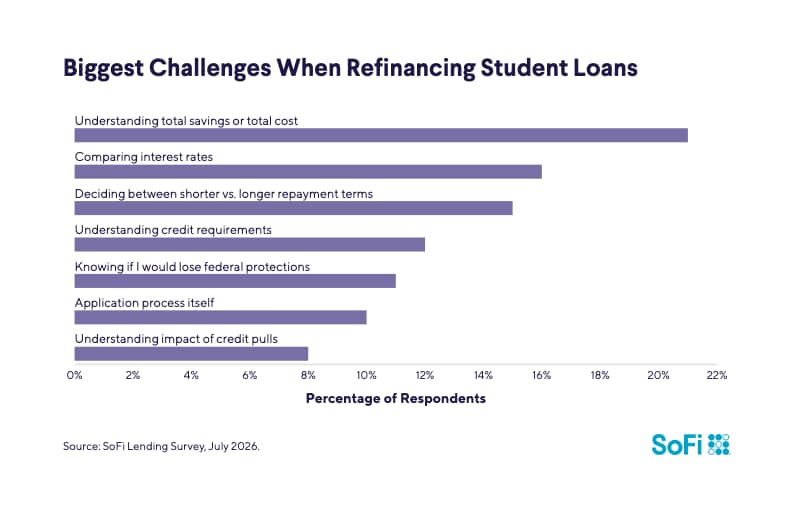
The most challenging parts of the refinancing process for borrowers were understanding their costs and savings, and comparing interest rates.
More than 1 in 5 borrowers cited confusion around total savings or total cost as the main reason they feel overwhelmed, while another 16% said comparing interest rates was most difficult. In write-in responses, some borrowers also said “all of the above” was hard or “all of the process is foreign to me.”
Lower Interest Rates and Faster Payoff Are Top Priorities
While some borrowers find the refinancing process highly emotional, they have a clearer sense of what they’re hoping to achieve by restructuring their student debt.
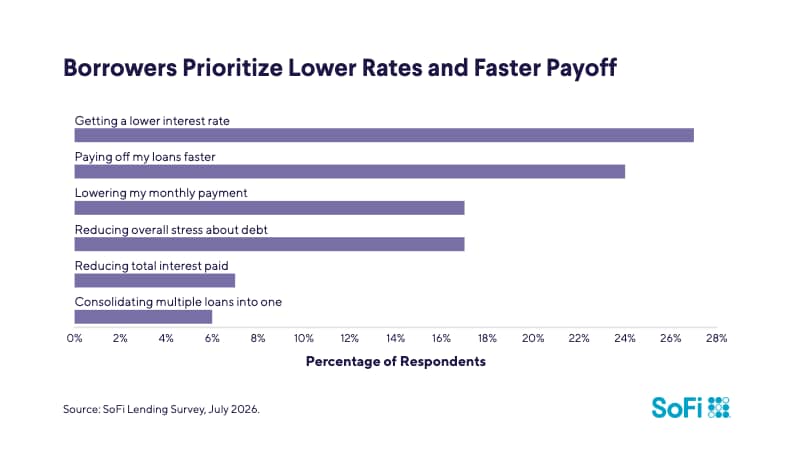
Most borrowers aim to reduce their interest rate or pay off their student loans faster, both of which could significantly lower interest charges over the life of the loans. Another 17% said lowering their overall stress about their debt sat at the top of their priority list. That same number (17%) said lowering their monthly payment was their primary goal.
These two variables, rates and timeline, are interrelated. “When shopping for refinancing rates, pay close attention to repayment terms, which can vary greatly depending on the lender. The longer the term, the lower the monthly payments will be, but that means more interest will be paid over the life of the loan. Conversely, a shorter loan term may mean higher monthly payments, but less is paid in interest over the life of the loan,” explained Brian Walsh, certified financial planner and head of advice & planning at SoFi.
Many Borrowers Would Refinance if Savings Were Guaranteed
Many borrowers want a guarantee that they’ll save money with refinancing before they act. When asked how likely they would be to refinance in the next six months if refinancing guaranteed they would save money over the life of the loan, respondents said:
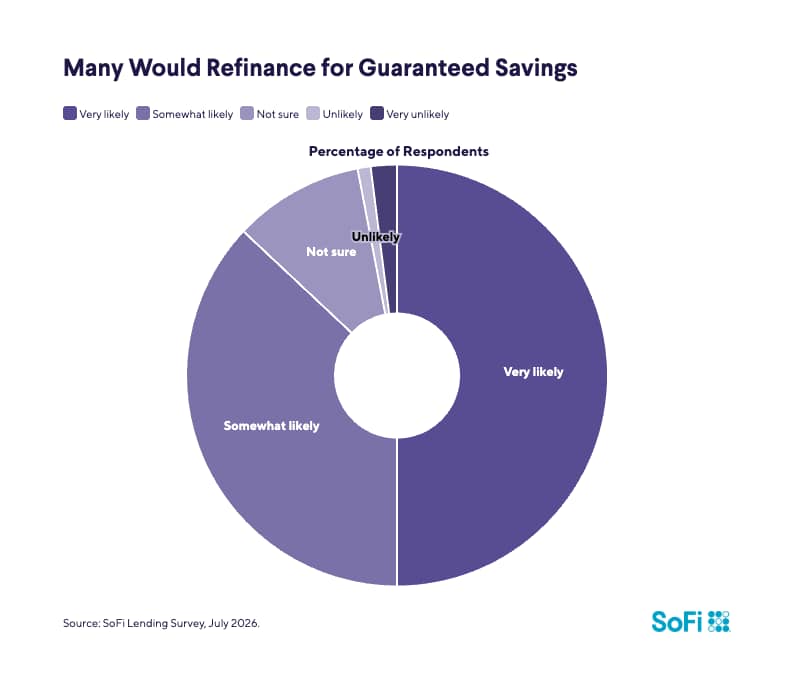
That’s a total of 87% of borrowers who said they’d be somewhat or very likely to refinance if they knew it would save them money. Many lenders offer easy-to-use calculators to help prospective borrowers compare potential new loans with old loans. Student loan holders can also check their preliminary interest rates and terms online with no commitment or impact to their credit score.
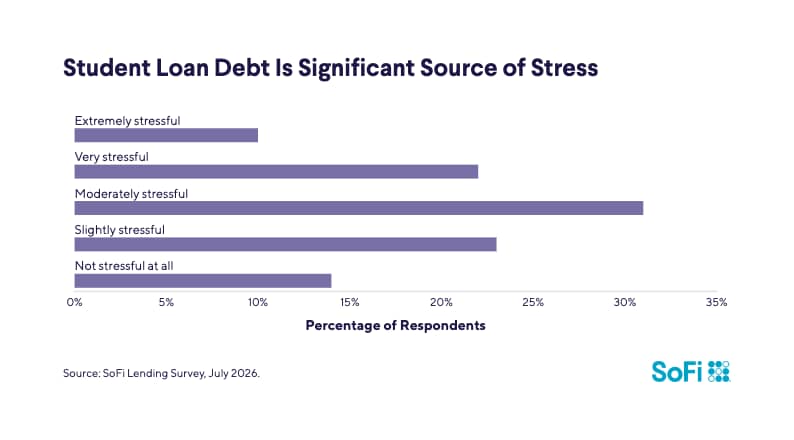
Student Loan Debt Is a Significant Source of Financial Stress
Student loan debt is a heavy burden for many borrowers. The majority of respondents in the student debt survey (63%) ranked their student loan stress as moderately, very, or extremely stressful. Some write-in responses said they were “barely making ends meet” and “stressing out” over the state of the economy and their student debt obligations.
The Takeaway
According to the student debt survey, many student loan borrowers consider refinancing but are held back by confusion and feeling overwhelmed. Checking interest rates online and using simple calculator tools can help you compare options and estimate potential savings before you apply. Just make sure you understand the trade-offs of refinancing along with the benefits. Refinancing federal student loans means you’ll no longer have eligibility for federal repayment plans, forgiveness programs, or other benefits.
This story was produced by SoFi and reviewed and distributed by Stacker.
