Voter Guide: Kim Jackman (D)
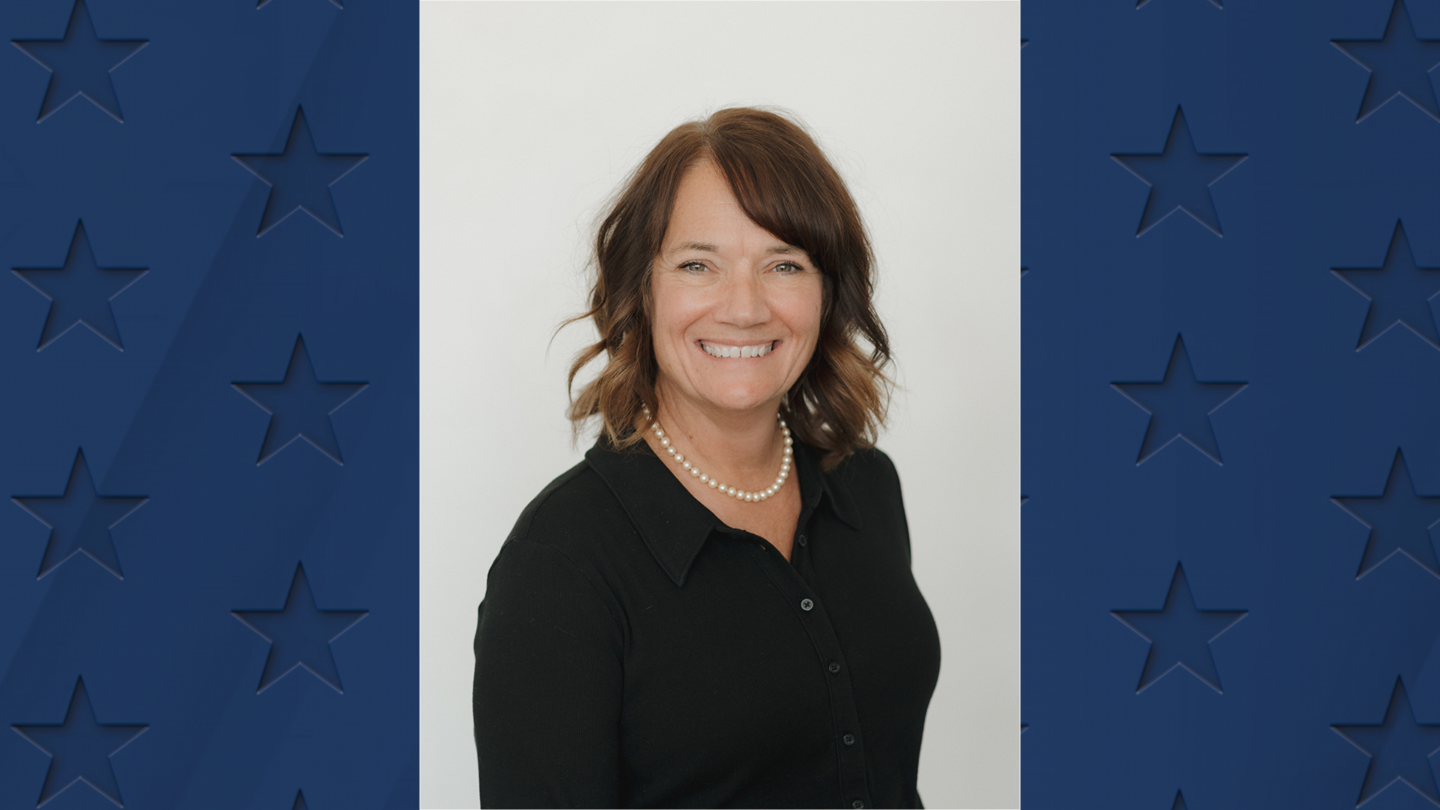

Party:
Democrat
- Website: https://kimjackmanforidaho.com/
- Facebook: https://www.facebook.com/profile.php?id=61574341469313
- X.com:
- Instagram: https://www.instagram.com/kimjackman4idaho
- TikTok:
- YouTube:
Q: Tell us about your background, including your education, career experience, public service, and any previous political involvement. What experiences have best prepared you to serve in the Legislature?
I was born and raised in southeastern Idaho, and my life has been shaped by the rural communities, agricultural traditions, schools, and families that make this part of our state so special. My husband and I have built our life here, raised our three children here, and recently welcomed our first grandchild.
For nearly three decades, my career has focused on strengthening children and families through social services, health care, education, and community partnerships. I have worked as a home health and hospice social worker, a community resource worker in the Pocatello Chubbuck School District, and most recently as a community school coordinator and co manager of the Early Learning Collaborative in American Falls. I have also served in leadership roles, including chairing the Region 6 Children’s Mental Health Committee and serving on the TLC Learning Center Board and the Kinship State Plan Advisory Group.
These roles have allowed me to work directly with families facing real challenges and have shown me how decisions about education, health care, mental health, and family resources affect everyday life. They have also taught me that lasting solutions come from collaboration among families, schools, health care providers, community organizations, businesses, and government.
What has prepared me best to serve in the Legislature is not one job or title, but decades of listening, advocating, and helping families navigate complicated systems. I would bring that same approach to the Idaho Legislature: listen first, put people over politics, use taxpayer resources responsibly, and work collaboratively across perspectives to strengthen Idaho families and communities.
Q: If elected, what would be your highest legislative priority, and what specific policies or actions would you pursue to address it?
My highest legislative priority would be keeping Idaho affordable and creating opportunities for families and communities to thrive. That means supporting responsible state spending, strong public schools, accessible healthcare, affordable housing, and policies that strengthen local businesses and good‑paying jobs. Idaho families deserve stability, and that requires practical, balanced decision‑making.
I believe the best way to accomplish this is through bipartisan collaboration. Idahoans are asking for leaders who listen to one another, work across the aisle, and focus on solutions instead of division. I would promote greater cooperation between state and local government, education, healthcare, and community organizations to reduce duplication, cut unnecessary bureaucracy, and improve efficiency. When agencies and sectors work together, services reach families faster and taxpayer dollars are used more effectively.
I also believe we can be fiscally responsible while making smart investments in Idaho’s people and communities. My approach would be to listen carefully, work collaboratively, and pursue practical policies that strengthen affordability, expand opportunity, and reduce the divisiveness that has made it harder for Idahoans to be heard. My goal is to help government work better for the people it serves.
Q: Many families are concerned about rising costs of fuel, housing, groceries, health care, and other essentials. What role should government play in addressing inflation and improving economic opportunities, and what specific steps would you support?
Many Idaho families are being squeezed by the rising costs of fuel, housing, groceries, health care, and other essentials. Through my work as a social worker, I have seen firsthand how these pressures affect families’ stability, well‑being, and ability to plan for the future. While state government cannot control national inflation, it can make choices that either ease or worsen the burden on families and local businesses.
I believe the state should focus on responsible budgeting, meaningful tax relief for working families, and policies that expand economic opportunity. That includes strengthening education and workforce training, supporting small businesses and agriculture, improving access to affordable health care, and addressing housing costs by increasing opportunities for development without taking decision‑making away from local communities.
I strongly support local control. Idaho communities understand their needs better than Boise does, and the state should give local leaders the flexibility to solve problems rather than imposing one‑size‑fits‑all mandates.
My standard for any policy is simple: Does it lower barriers, strengthen opportunity, respect local decision‑making, and help Idaho families build a more secure future?
Q: Immigration remains a major issue at both the state and federal levels. What is your position on immigration policy, and what role, if any, should state government play in addressing immigration-related concerns?
Immigration is primarily a federal responsibility, and our federal government needs to provide a secure border and a legal immigration system that is clear, consistent, and enforceable. Idaho should not be expected to solve a problem that requires federal action.
At the state level, my focus would be on public safety, responsible use of taxpayer dollars, and supporting Idaho communities and employers. Idaho considered immigration-related legislation in 2026 involving law-enforcement and refugee reporting requirements, illustrating the very real questions about the appropriate state and local role.
I believe state policies should be lawful, practical, and developed with input from the local communities, law enforcement, agricultural employers, and others who will actually implement them. We should enforce the law while recognizing the important contributions of people who come to this country legally to work, build a life, and contribute to our communities.
My approach is straightforward: secure borders, respect for the rule of law, responsible state government, and practical solutions that protect Idaho families, communities, and our economy.
Q: Access, affordability, and workforce shortages continue to challenge the health care system. What do you see as the biggest health care issues facing residents, and what solutions would you advocate for?
In District 28, the biggest health care challenges come from limited rural access, affordability pressures, and ongoing workforce shortages. Families already travel long distances for primary care, mental health services, and therapies, and I’ve witnessed firsthand how children and parents are directly affected when those services aren’t available close to home. These problems worsen when insurance companies enter disputes with the only nearby hospital or clinic, leaving entire communities suddenly out of network and forcing families to either pay more or drive hours for care they previously relied on.
A practical solution for rural areas is the Community School Model, which brings mental health supports, counseling, occupational and speech therapy, and family services directly into schools. This reduces travel barriers and ensures students receive timely help. Partnerships with Idaho State University can further expand access by placing student clinicians in District 28 schools and building pipelines for nurses, therapists, and behavioral health providers who want to stay in southeastern Idaho.
Alongside stronger safeguards during insurance provider disputes and improved reimbursement rates to stabilize the workforce, these community based strategies help ensure that care in District 28 remains accessible, affordable, and reliable.
Q: As lawmakers consider state budget priorities, what level of funding do you believe public schools should receive? What factors shape your position, and what outcomes would you hope to achieve?
I support stable, enrollment based funding for Idaho’s public schools, along with increased investment in early learning and special education. Every dollar spent on public education returns between $2 and more than $10 to the community, and Community Schools return $7 to $15 for every $1 invested. Over 17 years working in public schools, I have seen firsthand how the needs of children and families have changed — and how powerful public schools are when they are leveraged as a resource to meet those needs. Cutting public schools cuts into Idaho’s future; they are a place to invest, not reduce. Stable, predictable funding reduces reliance on bonds and levies and ensures students receive the mental health supports, therapies, early learning opportunities, and family services they need.
The Community School Model brings mental health care, occupational and speech therapy, early learning supports, family engagement programs, employment resources, adult education services, youth crisis centers, and health care access directly into schools. When schools are leveraged as a resource, attendance increases, behaviors decrease, parent engagement strengthens, academic outcomes improve, graduation rates rise, and protective factors that help prevent child abuse grow stronger.
Stable, adequate, enrollment based funding will help Idaho’s rural districts — including District 28 — build healthier families, stronger schools, and more prosperous communities.
Q: Looking at the most recent legislative session, what do you think lawmakers got right, what did they get wrong, and what changes would you advocate if elected?
I believe lawmakers were right to focus on fiscal responsibility and ensuring Idaho lives within its means. However, I believe the Legislature got the approach to the 2026 budget cuts wrong. Broad, across-the-board reductions do not adequately distinguish between inefficient spending and effective programs providing essential services.
My perspective comes from nearly 29 years of working in public schools and alongside Health and Welfare-related programs. I have seen firsthand how programs function, how budgets are allocated and spent, and where programs are both efficient and effective. This experience has taught me that responsible budgeting requires evaluating programs individually rather than simply applying the same reductions across the board.
If elected, I would advocate for a budgeting process that is targeted, transparent, and accountable. Idahoans deserve to understand where their tax dollars are going, why cuts are being made, and how those decisions affect their communities. We should identify waste and inefficiencies while protecting effective investments in education, health care, public safety, transportation, childcare, workforce development, and other essential services.
Fiscal responsibility should not simply mean spending less. It should mean spending wisely, transparently, and with measurable results.
Q: What is one issue that has not received enough attention during this campaign, and why do you believe voters should care about it?
One issue that has not received enough attention this election season is the long term stability of Idaho’s agricultural water supply. Agriculture is a cornerstone of our state’s economy, yet many of the systems it relies on — snowpack, aquifers, and aging irrigation infrastructure — are becoming less predictable. When water availability fluctuates, farmers and ranchers face higher costs and lower yields, and those impacts ripple outward to rural communities and household grocery budgets across the state.
Voters should care about this issue because water security directly affects food prices, local jobs, and the long term health of Idaho’s agricultural lands. Modernizing irrigation systems, supporting conservation practices, and planning for future water needs are essential steps to keep agriculture strong. Ensuring a stable water future isn’t just a farming issue — it’s an economic and community issue that touches every Idaho family.
