Chris’s Journey: local man fights for fatherhood through Guillain-Barre Syndrome

POCATELLO, Idaho (KIFI) – Imagine waking up one morning and having lost all feeling in your limbs. Guillain-Barre Syndrome does just that. Thirty-one-year-old Christopher Acosta was diagnosed with GBS in May of 2026 and has spent months in therapy, rehab and recovery in the hopes to return home to his wife and three young children.
The neurological disorder causes the immune system to mistakenly attack the nervous system, causing paralysis of muscles and lung collapse. For Chris's case, he said the tingling sensation began in his toes and slowly spread upward over several days, becoming numb.
"Then I got up to try to use the bathroom and I collapsed at the bathroom door," Chris recounts. His wife, Miah-Jo Aguilar, immediately called 911 and Chris was transported to a hospital in Idaho Falls.
On May 3, Chris was diagnosed with Guillain-Barre Syndrome and became paralyzed from the chest down. At the hospital, Chris's lungs collapsed and he flatlined, while medical professionals used CPR equipment to restart his heart. In the first three and a half months, Chris describes everything in his body as feeling "offline."
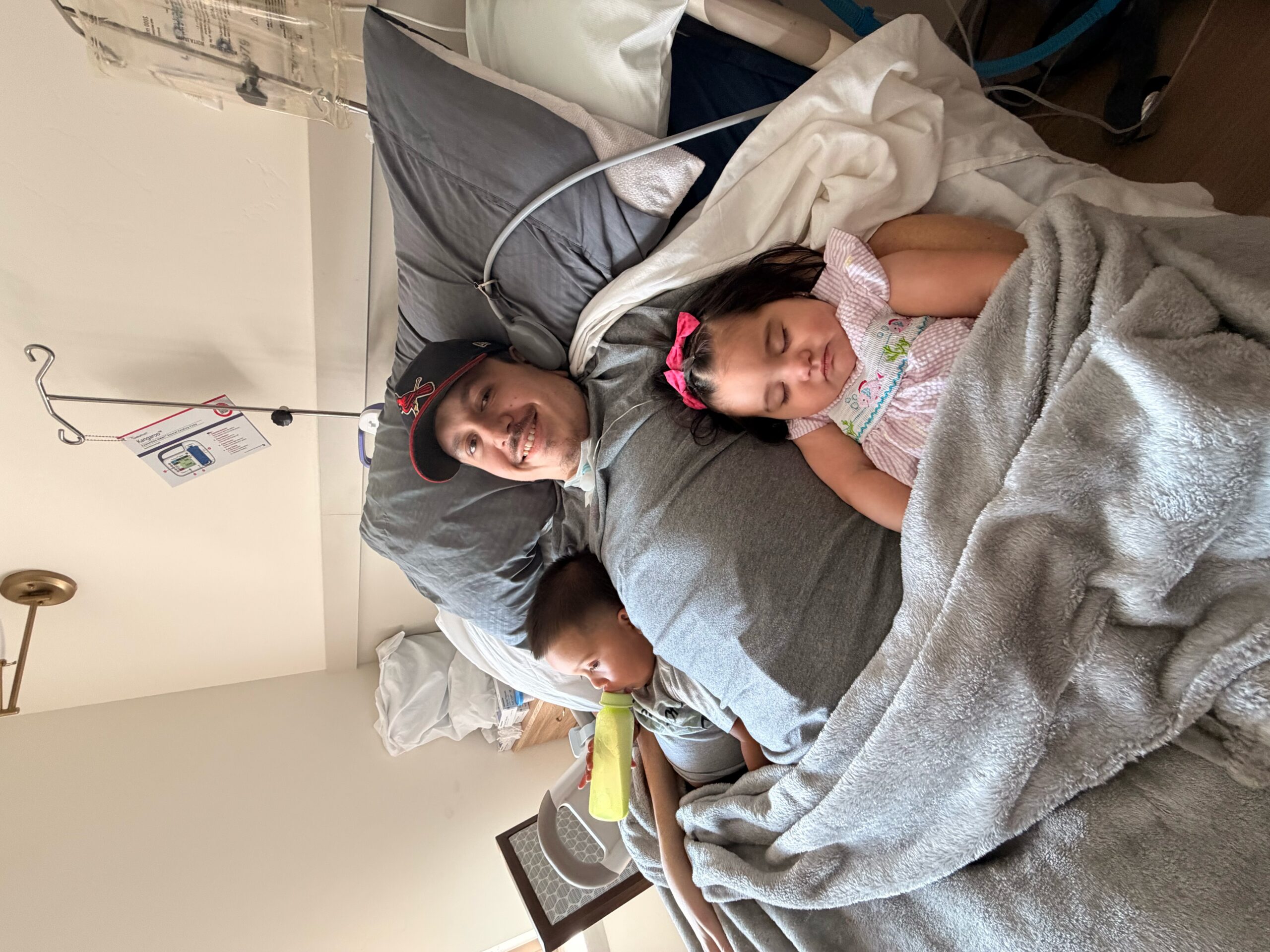
He was transferred to a long-term care facility in Utah where he was completely dependent on a ventilator to breathe. Chris was still taking very small breaths when he arrived at Gateway Transitional Care in Pocatello.
"He was only taking small, almost like the size of one of his children's breaths, so it wasn't super sustainable and not healthy for his lungs," explained Michael Nestler, director of respiratory care at Gateway. "So we actually put him back on the ventilator."
Gateway celebrated the grand opening of their vent/trach unit earlier this summer, and Chris is one of the first patients to successfully receive full vent/trach care. The tracheal tube was inserted into Chris's neck, helping him breathe. In the beginning stages, he was also dependent on a feeding tube for nutritian.
"I was there when we progressed him to take his pills by mouth," said Gateway nurse Stephanie Wheat. "That was such a huge step because you go from being dependent on a tube for everything to be able to take things by mouth again is just such a big step."
Chris was immediately hard at work in occupational, respiratory and physical therapy. For him, it wasn't the challenges of re-learning everything physically after being paralyzed, it was the mental load that has made this diagnosis and recovery journey especially difficult.
"It's the mental strain of everything," he said. "It's just trying to relearn everything, I don't think a lot of people understand how it is to relearn everything. I can sit here and tell myself to grab the cup but the connection with the nervous system and the brain, it's like radio static."
He describes it as "dying out" when he tries to do something physically. His occupational therapist, Aaron Mortensen, said he was barely able to do anything when he arrived at Gateway, meaning therapists were helping with every basic, daily task.
"We've used a lot of techniques with Chris," Mortensen said. "He could barely move, so it was things like learning to dress himself again with upper extremity movement, feeding, assistance for positioning in the wheelchair and bathing. All the general hygiene that we take for granted."
Chris said he was always the type of person to be in control. Losing all autonomy and being able to do basic tasks was a devastating blow.
"I didn't really see an outcome of where I was ever going to make it back," Chris admitted. "Time after time, day after day, I just struggled to see progress."
That progress eventually came. Fortunately, GBS is one of the only diseases where the nervous system can make a full recovery. Now, Chris can move his arms and legs, while maintaining that numbing sensation in his hands.
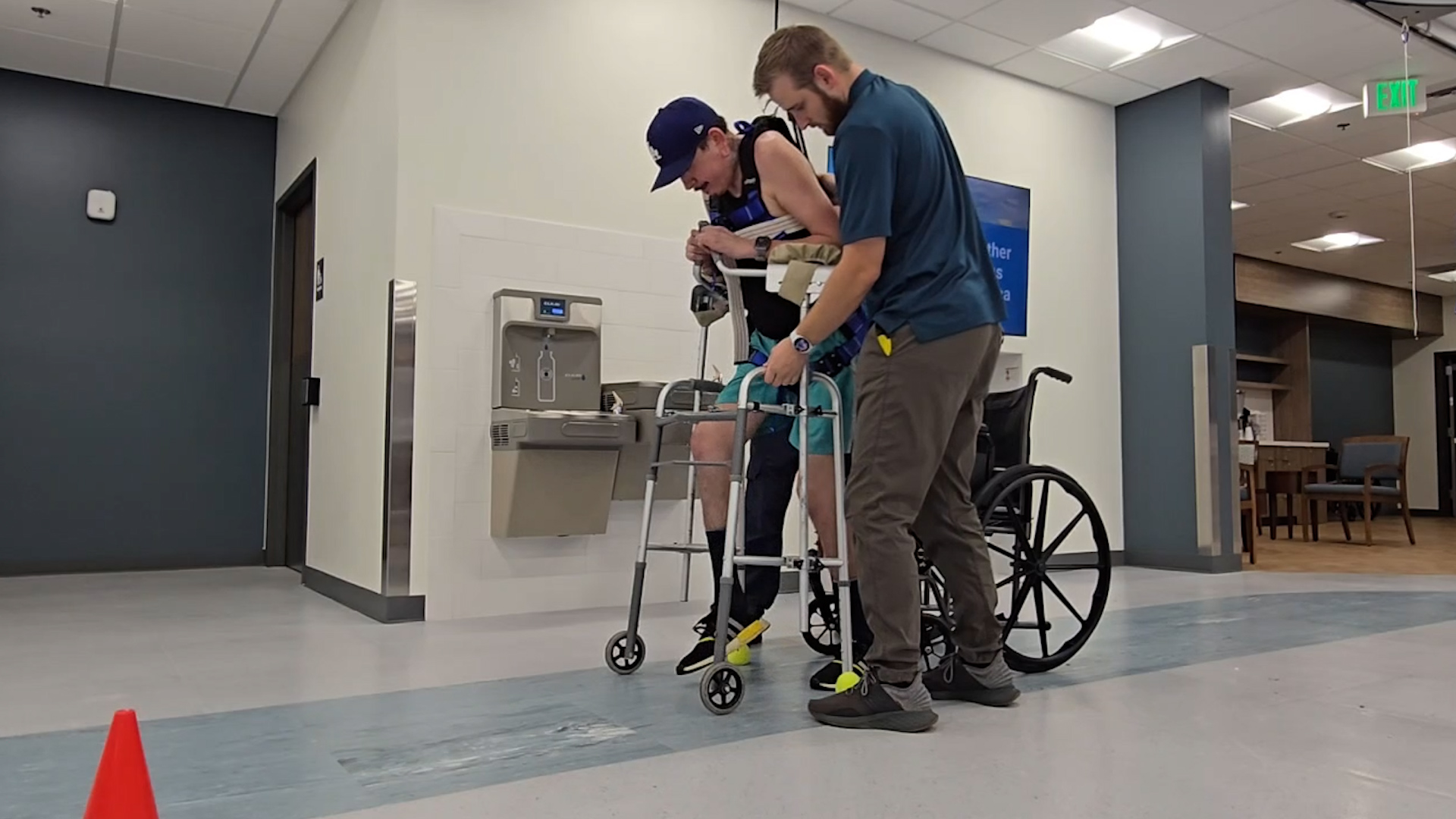
"When I pick something up or anything, I can't really feel what I'm grabbing," he said. "I am able to get up and stand now with assistance, the big step I have left is walking. That's the main goal that I'm working on right now."
And, just one day after Chris chatted with Local News 8, he took his first steps at the Gateway Therapy Clinic in the harness using a walker. Physical therapist Wade Krysiak and Mortensen were there to help and witness as Chris took one step closer to returning home to his family.
"It's been so incredible to watch him progress since when I first started seeing him," Krysiak said. "There's been so much learning with Chris. He's taught me just as much as I've helped him."
The motivation for Chris not only came from knowing it's possible to fully recover from GBS, but the drive to become the involved father he once was.
"I was very active with my kids, taking them to the park and doing all that fun dad stuff," Chris said. "That's my biggest one [motivation] is getting back to my wife and my kids and just being a dad."
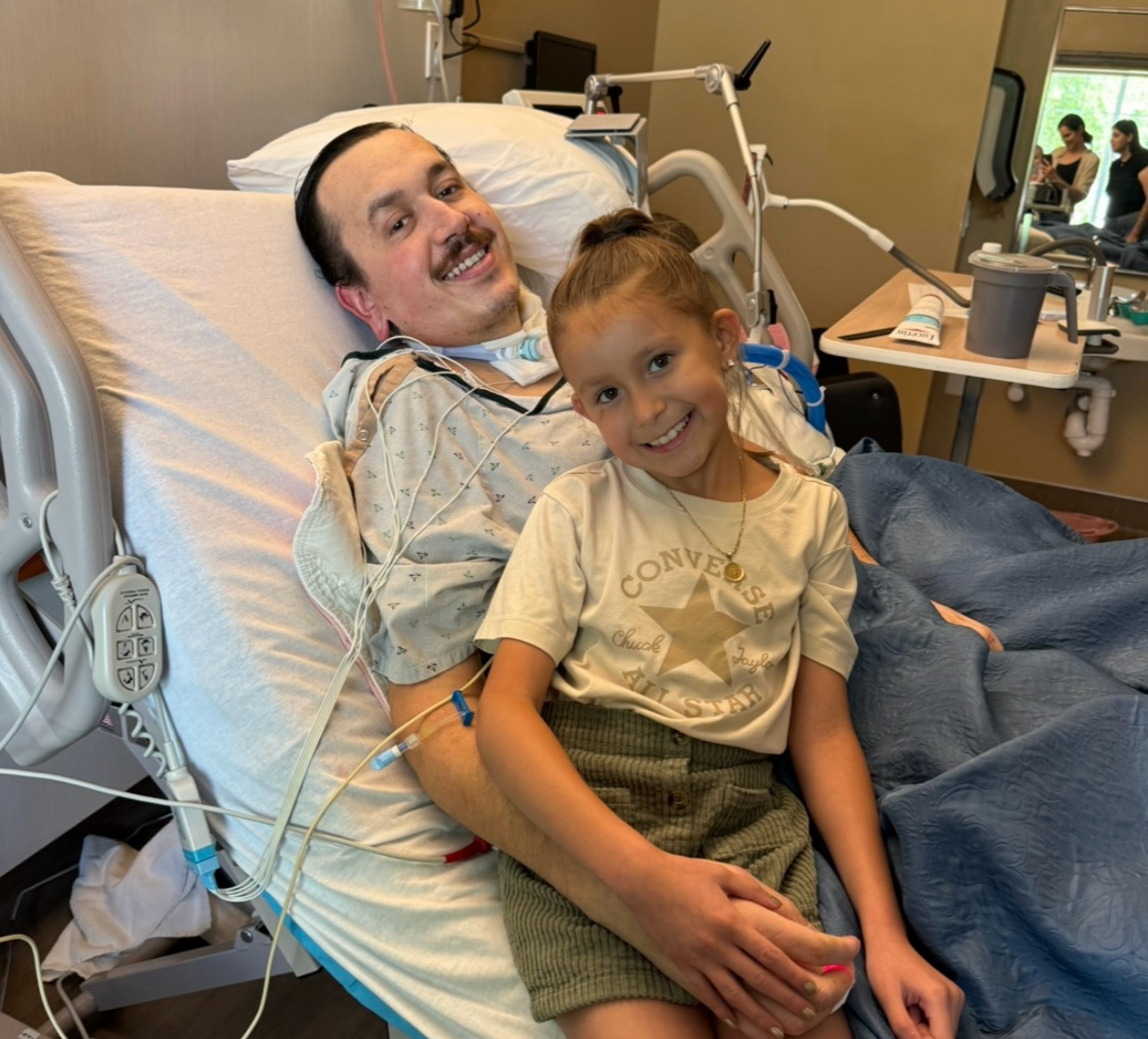
Miah-Jo says she can't wait to see Chris at home again, since they've only been able to visit the Gateway facility a couple times per week from Idaho Falls.
"I love being home with my children, I wouldn't have it any other way, but I want their dad home," she said. "I'm just happy he can be with us here today."
The family is looking to transfer Chris to another facility in Idaho Falls much closer to home for full-time rehab. His graduation from Gateway means a significant step back to the life he's faught so hard to regain, and a success story for the nurses and therapists who guided Chris's journey.
"The nurses have been so kind, so caring and loving," Miah-Jo said. "They treat you like there own, and it's made this experience so much better for us."
Nurse Stephanie Wheat said patients like Chris are exactly why she became a nurse. His hard work and dedication to getting his body back to functioning is inspiring. All the therapists agreed Chris is the youngest patient they've ever helped with Guillain-Barre. It usually attacks people 20-30 years older than Chris.
"If a patient is idle, they won't see progression," Nestler said. "Chris was one that showed us a lot of effort and put in the time working in therapy groups and with respiratory therapists, on the machines."
When Chris was originally transferred to Gateway, doctors told him it could be two years before he was taken off the ventilator and get his trach removed. Chris has fasttracked his recovery through an incredible spirit of resilience.
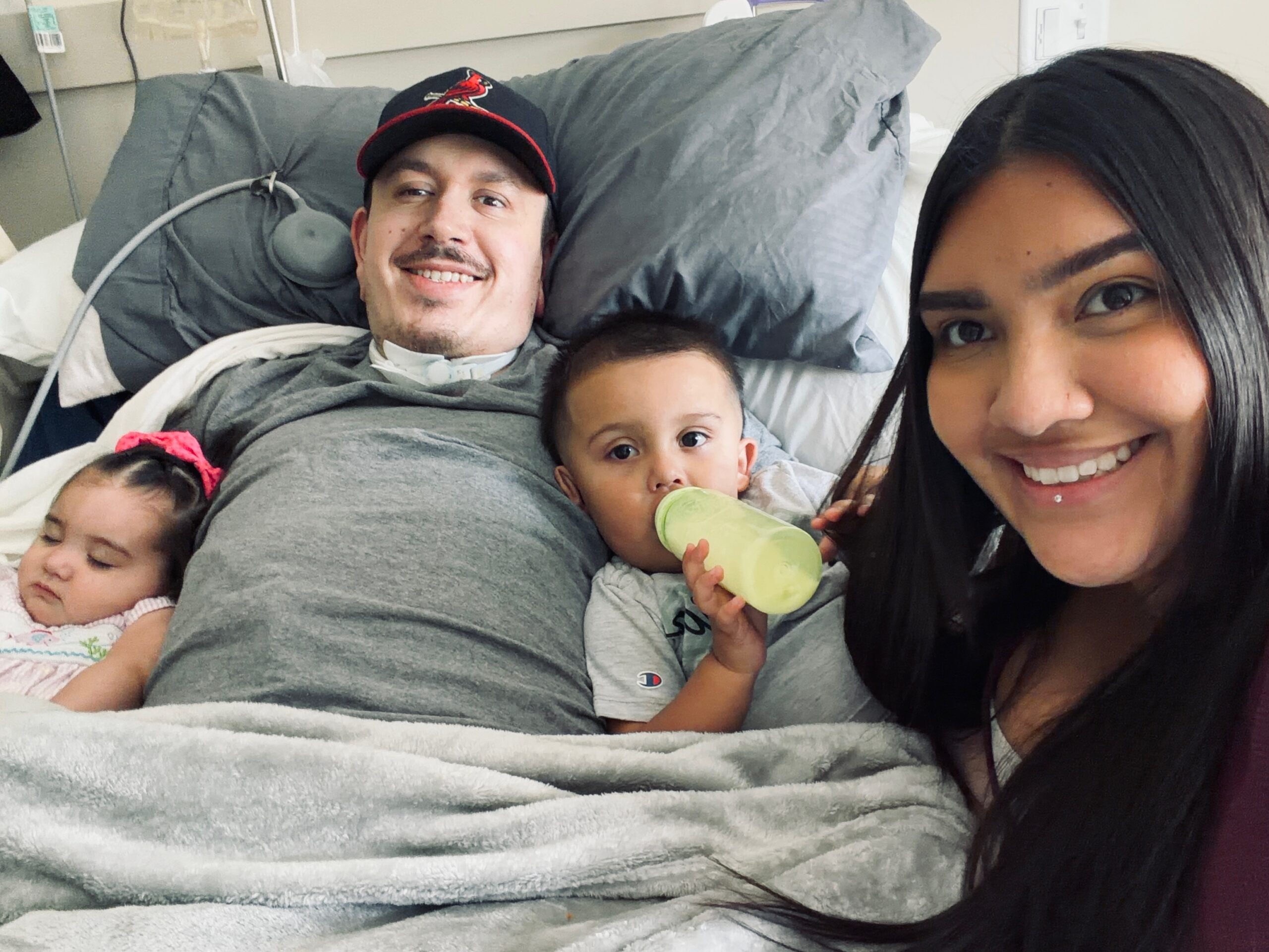
"He's come such a long way in such a short amount of time," Wheat said. "We celebrated every little thing. It's so rewarding to see him get better and be independent and eventually not need us."
For Chris, a 31-year-old who worked at AutoZone, using his hands for every daily task and was paralyzed overnight, this experience has been an extreme learning opportunity.
"It's so hard. But you can't give up," he said. "Just show up every single day. Don't give up. It's hard, but if you strengthen your mind, there's nothing that can stop you."
The family has also set up a GoFundMe page for Chris's medical expenses. If you'd like to donate, click HERE. The couple has also been sharing Chris's journey on TikTok. You can follow his page and view his videos HERE.
