Do I need renters insurance if my landlord has coverage?

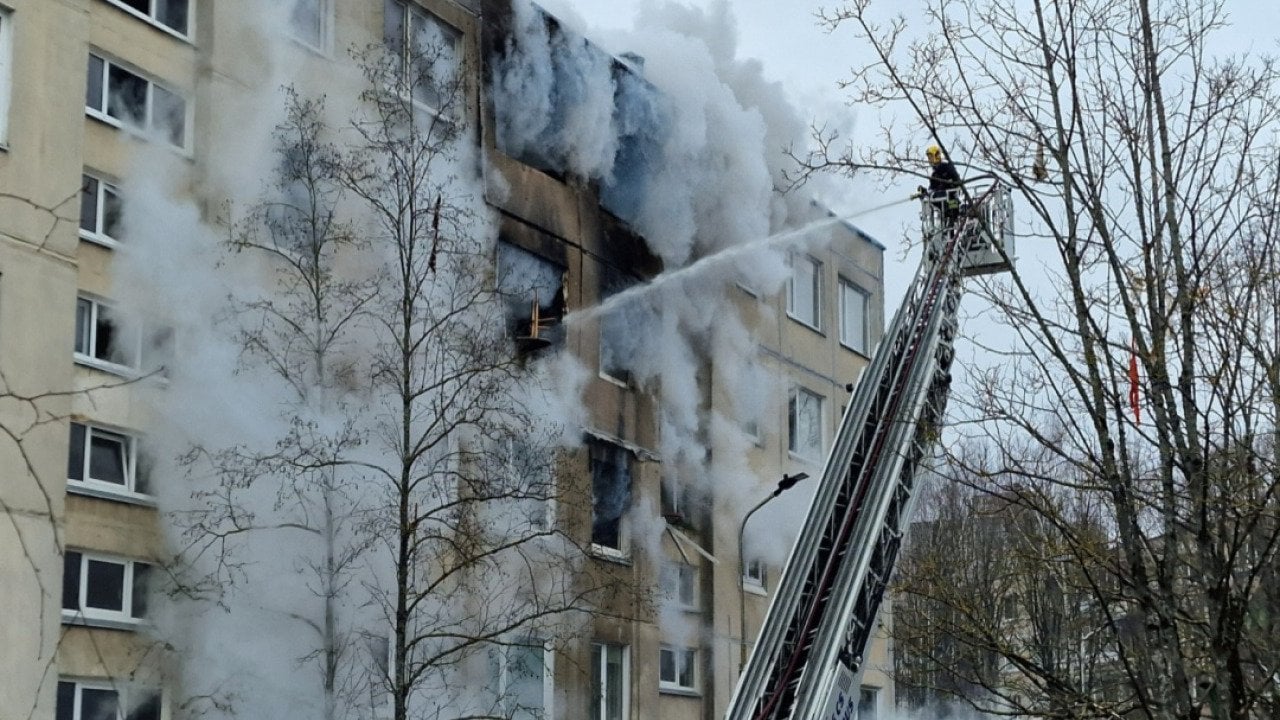
Dylanas Gudelevicius // Shutterstock
It is a common question and one that makes perfect sense. If the landlord is insured, surely that coverage extends to the tenant and everything inside the unit if the worst happens. A tenant has a roof over their head, a lease is signed and the landlord’s policy is often seen as a magical protective shield for the entire property.
Well the cold hard truth is that a landlord-provided protective shield has a major blind spot on the renter and the entire life the renter has built inside the walls of the unit.
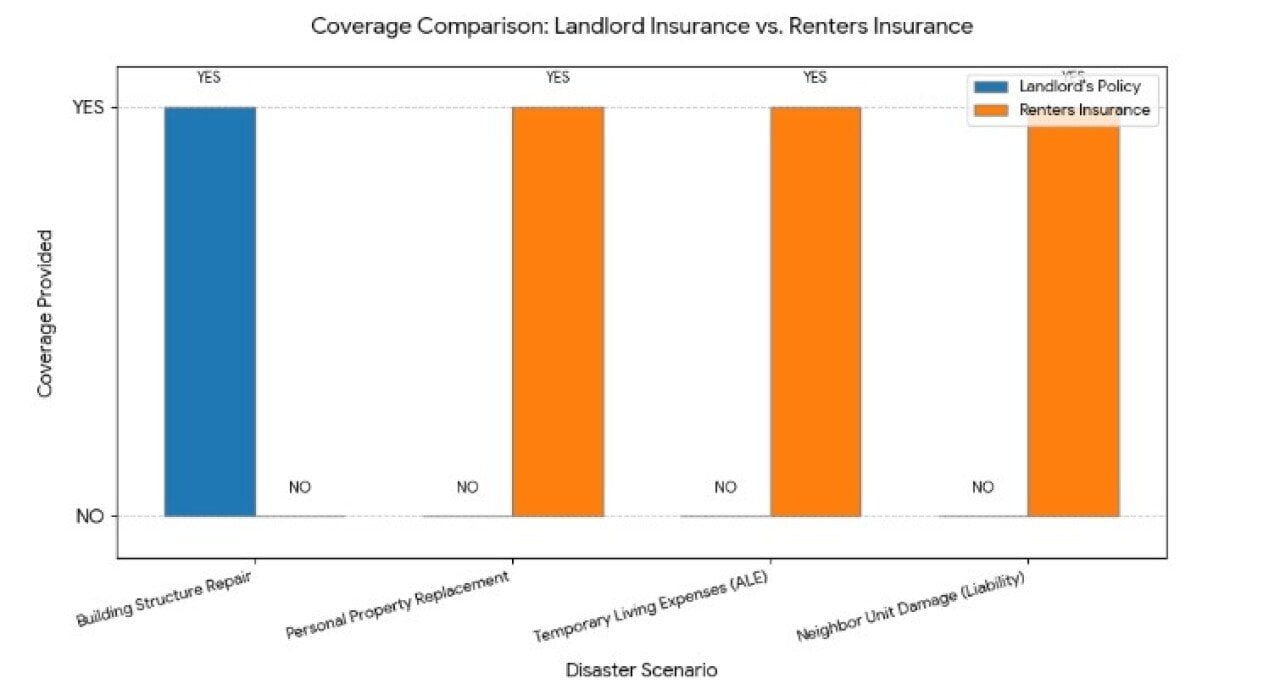
The landlord’s insurance policy is purely a business decision designed to protect their investment in the physical building itself. Critically it absolutely does not cover the renter’s personal belongings, their temporary living expenses or provide the renter with any protection from personal liability claims. To be crystal clear, the landlord’s policy insures the house, while renters insurance insures the life the tenant has built inside the home.
In this story, Cheap Insurance explains how essential this protection really is. If a renter chooses not to secure their own renters insurance, they are walking a financial tightrope without a safety net potentially facing total financial ruin from a sudden unexpected event.
Landlord Insurance vs. Renters Insurance
To truly understand why a renter needs their own renters insurance coverage, the purpose of each distinct policy must be known. The policies are not interchangeable; they are two completely separate financial safeguards with distinct purposes.
What Landlord’s Policy Covers The Building
The landlord’s insurance, often called a dwelling fire policy, is laser-focused on the property owner’s interests.
- The structure: This is the core coverage. It pays to repair or rebuild the physical dwelling, the walls, the roof, the fixed plumbing the landlord-owned appliances like the stove or built-in AC unit if they are damaged by a covered peril like fire hail or a burst pipe.
- Landlord’s liability: This protects the landlord if found legally responsible for an injury on the property due to landlord negligence for example a visitor trips on a broken step the landlord knew about but failed to fix.
- Loss of rent income: If the property becomes uninhabitable after a covered event, this helps the landlord recoup the lost rental income while repairs are being made.
What the Landlord’s Policy Doesn’t Cover: The Renter’s Things
This is the critical part. Landlord insurance explicitly does not cover the renter’s interests, which is where renters insurance becomes essential.
- Personal belongings: A renter’s clothes, electronics, furniture, books, irreplaceable family photos, and anything else owned inside the unit are not covered by the landlord’s policy. This is covered by renters insurance.
- Liability: The insurance held by the landlord does not cover if the renter or a guest causes an injury or damage to the building or another unit. This crucial protection is offered by renters insurance.
- Displacement Costs: The landlord’s coverage doesn’t include the cost of a hotel and meals if a fire or major flood forces a move out temporarily. Renters insurance provides additional living expenses coverage for this.
The Three Pillars of Renters Insurance
Renters insurance (often an HO-4 policy) is one of the most affordable and effective forms of financial protection you can buy. The average cost is shockingly low, often less than a monthly streaming service subscription. It is built upon three essential coverage pillars.
1. Personal Property Coverage (Your Stuff)
Imagine a fire ripping through your building. You walk out safe, but everything you own is gone. Who pays to replace your $1,500 laptop, your wardrobe, and your new couch? Your renters insurance does.
This coverage helps pay for the repair or replacement of your personal items if they are stolen or damaged by a “covered peril.” Crucially, this coverage travels with you. If your camera is stolen from your car while you’re on vacation, your renters insurance can still step in to cover the loss.
You’ll typically choose between two options.
- Actual cash value: AVC pays the current, depreciated value of the item. That 3-year-old laptop will only get you its yard-sale price.
- Replacement cost value: RCV pays the full cost to buy a new item of similar kind and quality. This is the more robust option, even if it costs a bit more.
2. Personal Liability Coverage (Your Accidents)
This is perhaps the most overlooked, yet vital, component. Accidents happen. You leave the bathtub running, flooding your apartment and the three units below you. You throw a party, and a guest slips on a wet floor, breaks an arm, and decides to sue you for their medical bills and lost wages.
Your renters liability coverage helps protect your current and future financial assets (like savings) by:
- Covering the cost of property damage you accidentally cause to the building or other people’s units.
- Paying for medical expenses for a guest injured in your unit, regardless of fault.
- Covering legal fees and settlement costs if you are sued for covered injury or damage.
In the case of the accidental flood, the landlord’s insurance would pay to fix the building structure, but then they (or their insurance company) could easily turn around and sue you to recoup those thousands of dollars in repairs, arguing that your negligence caused the damage. Your renters liability coverage is your financial bodyguard in this scenario.
3. Additional Living Expenses (ALE): Your Temporary Home
Also known as “loss of use” coverage, this pillar saves you from financial chaos if you’re suddenly displaced. If a covered event (like a major pipe burst or a fire) makes your rental unit unlivable, you need somewhere to stay.
ALE helps cover the additional costs of temporary housing, such as:
- Hotel bills or a temporary rental.
- Extra costs for food (eating out when you can’t cook at home).
- Laundry services.
Without this coverage, you would be paying your rent and the cost of a hotel out of pocket, a double whammy nobody wants to face.
The Risk of Going Bare: A Hypothetical Horror Story
Let’s put it all together with a quick, gut-check scenario.
Imagine a small, electrical fire starts in your living room while you’re at work. It’s quickly contained, but the fire, smoke, and water damage render your unit and the two below it temporarily unlivable. In this common scenario, without renters insurance, you would have to replace all your personal belongings, pay for a temporary place to live, and potentially face a costly lawsuit from the landlord or your neighbor.
Cheap Insurance
The question isn’t whether you can afford renters insurance, but whether you can afford the catastrophic expense of skipping it. For a policy that usually costs less than $20 a month, the peace of mind is priceless.
Key Takeaway for Your Lease
Many landlords today require you to have renters insurance as a condition of your lease. This isn’t just to protect themselves (though it certainly does); it’s to ensure you’re a responsible, financially protected tenant.
Don’t rely on the misconception that your landlord’s policy is your safety net. It’s a fundamental gap in coverage that only a renters insurance policy can fill. Get a quote today and protect the life you’ve built inside your rental.
This story was produced by CheapInsurance.com and reviewed and distributed by Stacker.

