
How climate change drives hotter, more frequent heat waves
Grist broke down everything you need to know about the science linking global warming to extreme heat.
Continue Reading Grist broke down everything you need to know about the science linking global warming to extreme heat.
Continue Reading
For unhoused people, dangerous air isn’t just a threat during an air quality crisis — it’s an everyday occurrence, Grist reporting reveals.
Continue Reading
Are you interested in strength training but have no time to waste? NNOXX examined academic research to identify an efficient workout.
Continue Reading
NNOXX compiled a list of 10 myths about strength training and debunked them using information from various scientific and medical sources.
Continue Reading
As climate experts forecast a “borderline hyperactive” hurricane season, Gutter Gnome compiled a ranking of the most hurricane-vulnerable counties in 2023.
Continue Reading
QMedic examined which roles in medicine will have the greatest shortages by 2035 using data from the Health Resources & Services Administration.
Continue Reading
NNOXX compiled a list of low-impact activities to integrate into your busy schedule using a variety of news and athletic sources.
Continue Reading
DocBuddy compiled statistics from academic journals, government agencies, and other sources to determine how much health spending goes to waste.
Continue Reading

Drata analyzed Department of Health and Human Services data to determine which states felt the largest effects from health care data breaches in 2022.
Continue Reading

Stacker compiled a list of 10 of the most common signs of depression in older adults using information from the National Institute on Aging and other scientific and medical sources.
Continue Reading
Stacker investigated which states have the highest incidence of STIs using 2021 data from the CDC.
Continue Reading
Stacker investigated how the potential approval of OTC birth control could expand contraception access nationwide using a variety of news sources.
Continue Reading
Grist explains how gas stations typically pollute the earth beneath them, causing a $20 billion toxic mess.
Continue Reading
Grist spoke with experts to shed light on what it takes to build a zero-waste economy.
Continue Reading
Stacker documented the highest 24 hours of precipitation in every state by analyzing data from the State Climate Extremes Committee of the National Oceanographic and Atmospheric Administration. States are ranked from lowest amount of rainfall in a 24-hour period to highest.
Continue Reading
Stacker used data from the 2023 County Health Rankings to determine the 25 states where people have the shortest lifespans. The 2023 County Health Rankings values were calculated using mortality counts from the 2018-2020 National Center for Health Statistics.
Continue Reading
Stacker used data from the 2023 County Health Rankings to determine the 25 states where people live the longest. The 2023 County Health Rankings values were calculated using mortality counts from the 2018-2020 National Center for Health Statistics.
Continue Reading
Ophelia explores how buprenorphine helps the body overcome opioid addiction, citing research from a variety of government and scientific sources.
Continue Reading
NNOXX compiled a list of ways to make small improvements to your daily routine using a variety of news and medical sources.
Continue Reading
Incredible Health investigated why there are still nursing shortages when most states have seen an increase in nursing licenses using data from NCSBN.
Continue Reading

Stacker ranked over 900 counties in the 10 coldest states in the continental U.S. to find the warmest based on average temperature between May 2022 and April 2023, citing National Centers for Environmental Information data.
Continue Reading
Stacker ranked nearly 500 counties in the 10 coldest states in the continental U.S. to find the warmest based on average temperature between May 2022 and April 2023, citing data from the National Centers for Environmental Information.
Continue Reading
Using United States Cancer Statistics data from the CDC and the National Cancer Institute, Bailey Glasser LLP identified the states with both the highest and lowest rates of both new cases and deaths.
Continue Reading
Velotric cited data from the Energy Information Administration and the Environmental Protection Agency to visualize transportation emissions in the U.S. and how it varies by state.
Continue Reading

Stacker cited data from the USDA Agricultural Census, most recently completed in 2017, to identify the states producing the most vegetables.
Continue Reading

Grist reports on how advocates are helping understaffed communities field complicated federal grants.
Continue Reading
Insurify cited data from the National Interagency Fire Center to identify which regions have seen the worst wildfires over the past decade.
Continue Reading

Consulting industry reports, surveys, and research, DocBuddy looked at the current state of physician burnout following the COVID-19 pandemic.
Continue Reading
Stacker looked at the legal landscape of pending lawsuits against oil companies, citing data from the Center for Climate Integrity.
Continue Reading

MoneyGeek analyzed data from the Center for Disease Control’s Wide-ranging Online Data for Epidemiologic Research (CDC WONDER) database from 2019 to 2021 to find the states where the most unintentional deaths occur and explore the types of unintentional deaths that are on the rise.
Continue Reading
Incredible Health compiled a list of notable nurses who responded in conflicts throughout history using various news and historical sources.
Continue Reading
MoneyGeek analyzed data from the Centers for Disease Control and Prevention’s Wide-ranging Online Data for Epidemiologic Research (CDC WONDER) to find which states have the highest drowning rates to help bring awareness to the importance of swimming safety there and across the country.
Continue Reading
Stacker compiled a list of 25 animals that are illegal to own as pets in the U.S.
Continue Reading
CheapInsurance.com used data from the Environmental Protection Agency to rank the least fuel-efficient vehicles of modern history for each year since 1975.
Continue Reading

Stacker analyzed the 2021 Air Quality Statistics Report from the Environmental Protection Agency released in May 2022 to compile a list of the 50 cities with the dirtiest air.
Continue Reading

DocBuddy cited data from the Health Resources and Services Administration to visualize the projected shortages in the health care industry, specifically among physicians.
Continue Reading
Stacker investigated how data privacy and access to reproductive health care intersect using a variety of news sources and consulting the Electronic Frontier Foundation’s senior legislative activist, Hayley Tsukayama.
Continue Reading
Thistle investigated how much of various plant-based foods you would have to eat to get the same amount of protein as meat using data from My Food Data.
Continue Reading

Enviro Friendly compiled a list of highlights from the 2022 Off-Grid Solar Market Trends Report, developed by the World Bank and its partners.
Continue Reading
Using data from the Centers for Disease Control and Prevention and World Bank, Northwell Health looked at racial disparities in the prevalence of and morbidity from diabetes in the U.S.
Continue Reading
MoneyGeek analyzed data from government, academic, and nonprofit sources to break down the cost of childbirth in the U.S.
Continue Reading
The General used data from the Environmental Protection Agency to find the most fuel-efficient car and truck every year since 1975.
Continue Reading

NNOXX detailed the differences between active and ordinary nitric oxide using its own science and a variety of other scientific sources.
Continue Reading
Stacker compiled data from the National Oceanic and Atmospheric Administration’s National Centers for Environmental Information to rank the contiguous 48 states from coldest to warmest.
Continue Reading
To illustrate what summer weather was like in the U.S. from 1920 to 2022, Stacker consulted data from the NOAA.
Continue Reading
More tornadoes have been recorded in the first three months of the year than ever before. Stacker looks at what’s driving the surge.
Continue Reading

Health data breaches risk the personal information of millions. Drata used Office for Civil Rights data to find the four most common breaches in 2022.
Continue Reading
Stacker cited data from Climate Power to look at green energy and infrastructure projects that have been announced since the passage of the Inflation Reduction Act.
Continue Reading
Incredible Health compiled a list of statistics about how the field of travel nursing changed during the COVID-19 pandemic using various news and government sources.
Continue Reading
Amid almost-daily news of how climate change is exacerbating natural disasters and/or creating cultural shifts, Stacker compiled 25 terms related to climate change, their meanings, and their significance in the context of today’s warming climate.
Continue Reading
Stacker compiled data from state maternal mortality review committees and the CDC to examine how pregnancy-related death disproportionately impacts Black people.
Continue Reading
Using data published in the Science Advances journal and a report for the Environmental Defense Fund, Stacker looked at disparities in particulate pollution exposure in the U.S.
Continue Reading
Sana compiled 2022 data from the Health Resources and Services Administration and Census Bureau to determine how many people in each state live in areas lacking adequate primary health care.
Continue Reading

Feeling burned out on work can seriously harm your physical and mental health. Experience Life compiled nine ways to rediscover the joy in your job.
Continue Reading
Stacker cited data from the Environmental Protection Agency to look at what the agency’s consideration of new particulate pollution standards means for people across the U.S.
Continue Reading
Watch out, West Virginia—Stacker ranked each state by drivers’ likelihood of hitting an animal on the road, using data from State Farm.
Continue Reading
Velotric compiled a list of some of the most common types of bike lanes in the U.S. and sorted them by how much separation and protection they provide from vehicles.
Continue Reading
Citing SAMHSA research and scientific journals, Charlie Health looked at how symptoms of childhood trauma manifest at different age ranges.
Continue Reading
Each decade and each year within them bear out their own unique weather events. Stacker consulted historical, climatologic, and other news sources to find the most notable weather events each year since the Great Depression.
Continue Reading
Using a variety of sources, Westfield compiled a list of helpful tasks to complete after experiencing property damage from a natural disaster.
Continue Reading

Offshore wind energy represents a fraction of U.S. electricity generation. That could soon change.
Continue Reading

Sana cited data from the Household Pulse Survey weighted by the CDC to examine trends in who reports receiving the mental health care they need.
Continue Reading
Stacker looked at how the world responded to seven of the largest earthquakes of this century, outlining emergency response efforts and humanitarian aid.
Continue Reading
Rocket Solar cited data from the Energy Information Administration to analyze solar utility use and development and how it’s grown over the past 30 years.
Continue Reading

From features in national parks to regional quirks, Stacker compiled a list of 20 of the strangest natural phenomena in the U.S.
Continue Reading
Stacker compiled a list of 25 of the smallest mammals in the world using AnimalTraits as a reference. All mammals listed have a mass under 1 pound.
Continue Reading
Stacker compiled a list of 20 of the biggest insects in the world using a variety of news, scientific, and other sources.
Continue Reading
By 2033, the U.S. will face a doctor shortage with an outsized effect on rural areas. Here’s how to understand it, according to Incredible Health.
Continue Reading
Enviro Friendly identified ways to upgrade your home to save money by compiling info from the Department of Energy’s Office of Energy Efficiency and Renewable Energy.
Continue Reading

Thistle compiled data on four markers that show how consuming plant-based meat instead of conventional meat is better for the planet using research by the Good Food Institute.
Continue Reading
Charlie Health investigated how every state ranks in the shortage of mental health professionals and what it would take to close the shortfall using data from the Health Resources and Services Administration and the Census Bureau.
Continue Reading
Thistle compiled data from the Farm Service Agency to examine how enrollment in the Conservation Reserve Program has changed over time and why participation has declined in recent years.
Continue Reading
Stacker investigated how solar home energy has grown in the U.S. over time using data from the Energy Information Administration and other sources.
Continue Reading
Westfield compiled a list of eight ways people can prepare their communities for the impacts of climate change.
Continue Reading
MoneyGeek analyzed a host of statistics, from health outcomes — such as preventable deaths and rates of certain diseases or risk factors — to health access and cost — such as how many people are uninsured and have affordable health insurance options available — to find the best and worst states for health care in the U.S.
Continue Reading
GigaCalculator investigated how added sugar is skewing U.S. nutrition using data from the USDA and various government and scientific sources.
Continue Reading
Stacker compiled data from the National Safety Council to assess the risk of dying from various different causes in the United States.
Continue Reading
Stacker consulted America’s Health Rankings’ 2022 Senior Report to determine which states are the most and least healthy for senior populations.
Continue Reading

Velotric drew from WalkScore data to rank U.S. neighborhoods that are far more bikeable than the cities they’re part of might suggest.
Continue Reading
Charlie Health analyzed survey data from the 2020 National Survey on Drug Use and Health and The Trevor Project to see which teens were receiving mental health services across the U.S.
Continue Reading
Rocket Solar cited data from the Energy Information Administration to look at how the cost of solar panels has fallen and what that means for electric power in the U.S.
Continue Reading

Rocket Solar compiled a list of some of the side benefits of clean energy using a variety of government, nonprofit, and academic sources.
Continue Reading

Estey & Bomberger, LLP researched the contents of prescription drug advertisements, the associated FDA regulations, and the impact of pharmaceutical marketing on consumers to unpack what drug advertisements do and do not disclose to the public.
Continue Reading
Citing the 2021 Annual Report on Conservation and Science from the Association of Zoos and Aquariums, Stacker looked at the 27 most targeted species focusing on the five main vertebrate groups.
Continue Reading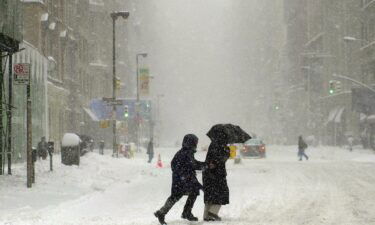
Stacker collected information from the NOAA’s Storm Events Database to rank the most destructive winter storms of the 21st century thus far.
Continue Reading

Stacker consulted scientific journals and the latest news reports to compile a list of 22 major scientific discoveries and innovations that happened in 2022.
Continue Reading
Stacker compiled a list of 23 astronomical events to observe in 2023 using a variety of news and scientific sources.
Continue Reading

Stacker compiled a list of states with the most hailstorms from 2012-2021 using National Oceanic and Atmospheric Association data.
Continue Reading
MoneyGeek analyzed traffic fatality data collected from 2017 through 2020 for 305 cities across the country to find the most dangerous cities for pedestrians.
Continue Reading
To find the states with the most expected winter weather risk this season, MoneyGeek analyzed expected property damage from winter weather overall and per capita using FEMA’s National Risk Index.
Continue Reading
Stacker compiled a list of the top 50 record-breaking fish caught in the U.S. by weight using data from Land Big Fish.
Continue Reading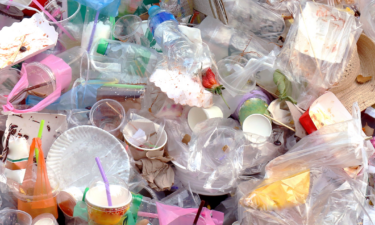
The Rounds examined historical data from the Environmental Protection Agency to see what happens to packaging after it’s thrown away and how that’s changed over time.
Continue Reading
Stacker cited data from FEMA’s revamped national flood insurance program, Risk Rating 2.0, to look at how flood insurance premiums will change across every state.
Continue Reading

Stacker determined the most health-conscious cities by analyzing Niche’s 2022 Healthiest Places to Live rankings.
Continue Reading

The United States is moving toward electric vehicles, but some states have resisted the switch. Here are the top 10 gas-guzzling states in the country, as identified by RateGenius.
Continue Reading

Enviro Friendly cited data compiled by environmental think tank Ember to look at countries whose solar electricity capacity has grown the most over the past 15 years.
Continue Reading
Stacker referenced news and fashion industry reports to break down the general life cycle of fast fashion.
Continue Reading
Charlie Health used data from different sources, including Ipsos, Harvard Graduate School of Education, Ipsos/Cigna, and the American Enterprise Institute, to dig into loneliness among young adults and its possible causes.
Continue Reading

Stacker compiled a list of 25 endangered animals that are only found in the United States using the International Union for Conservation of Nature (IUCN) Red List and the U.S. Fish and Wildlife Service Endangered Species list.
Continue Reading